In the Senate, Senator Allan Peter Cayetano delivered a forceful objection. Direct and unreserved, he confronted the issue of vaccines and the management of the Department of Health (DOH). He began by acknowledging Senator Tulfo with respect, but did not hesitate to oppose what he called the DOH’s “classic” and unacceptable answers. He expressed frustration that delays in vaccines are a matter that affects the health of children and the future of the country.

He demanded a guarantee that by 2026, such delays would not happen again. He compared the Philippines to Cambodia and Laos, which, according to him, do not experience delays the way the Philippines does. He apologized to the Senate President for his tone, and shared information from his city health office: some vaccines cannot be purchased by LGUs because only the DOH is authorized to procure them. And when LGUs are allowed to buy, the prices are significantly higher, pushing them into heavier expenses.
Senator Allan emphasized that the DOH secretary himself admitted there are major procurement problems and that the agency’s procurement officer had already been dismissed. According to him, competition among bidders is intense—yet bidders must follow rules, not dictate the process in a way that causes delays. These delays, he warned, put children’s lives at risk.
He pointed out that some transactions had been done through UNICEF, citing a ₱1.2-billion release from February to July 2024, which the Senate had been discussing. He acknowledged that there had been a one-time purchase through UNICEF due to a measles outbreak, but that such arrangements were not supposed to be the norm. He expressed concern about conflicting information and demanded a clearer explanation from the DOH.

Drawing from his own experience in public service, he cited how problems in agencies like the DFA and LTO were solved with determination and proper action. He used these examples to stress that even deeply dysfunctional systems can be fixed when there is discipline and political will.
Senator Tulfo, for his part, raised concerns that some winning suppliers may be “fly-by-night” contractors, possibly incompetent or corrupt. He discussed the issue of expired medicines, explaining that the problem touches on asset management and supply chain failures. The DOH, he said, created a committee to address this issue—but he questioned whether logistics is truly the root problem, or whether incompetence and inefficiency are to blame. He criticized explanations that sounded like excuses rather than real solutions.
Senator Allan also explained the context of devolution since 1992 and the Supreme Court’s Mandanas ruling, which changed the distribution of funds to LGUs. He highlighted the tension between national government and LGUs over funding responsibilities, insisting that devolution should not be used as an excuse to shift all responsibilities to LGUs.
He directly challenged the DOH:
“Senator Tulfo, you know I respect you, and I never interrupt you. But this kind of answer from DOH—let’s not fool ourselves. This is about children’s health. This is the country’s future. Two years of delays. When will this change?
Can you guarantee us that in 2026 there will be no delays? If not, then let’s get a secretary who can.”
He repeated that Cambodia and Laos do not experience vaccine delays, but the Philippines does.
He also cited pricing differences: if DOH buys a vaccine for ₱10, LGUs may be forced to pay ₱150. And some vaccines LGUs are prohibited from buying at all.
The secretary, through the sponsor, admitted procurement issues. Senator Allan noted that the DOH said there is intense competition among bidders—but argued that bidders should not be dictating the entire procurement process. Delays in bidding, he insisted, endanger children.
He also challenged DOH’s inconsistent claims regarding UNICEF procurement, noting the ₱1.2-billion release that was filed in the Ombudsman. He questioned whether this coincidentally occurred while the secretary was campaigning for a position at the WHO.
He again emphasized the unacceptable nature of delays, referring to past cases: passport delays under previous administrations, LTO license plate backlogs solved within months, and other bureaucratic bottlenecks that were resolved when leaders took decisive action.
He argued that vaccine delivery, especially for children and senior citizens, should be even easier to fix. Yet year after year, delays persist.
He lamented the lack of urgency in government, contrasting the comfort of officials with the danger faced by ordinary Filipinos whose elderly parents may die from flu or pneumonia simply because vaccines do not arrive on time.
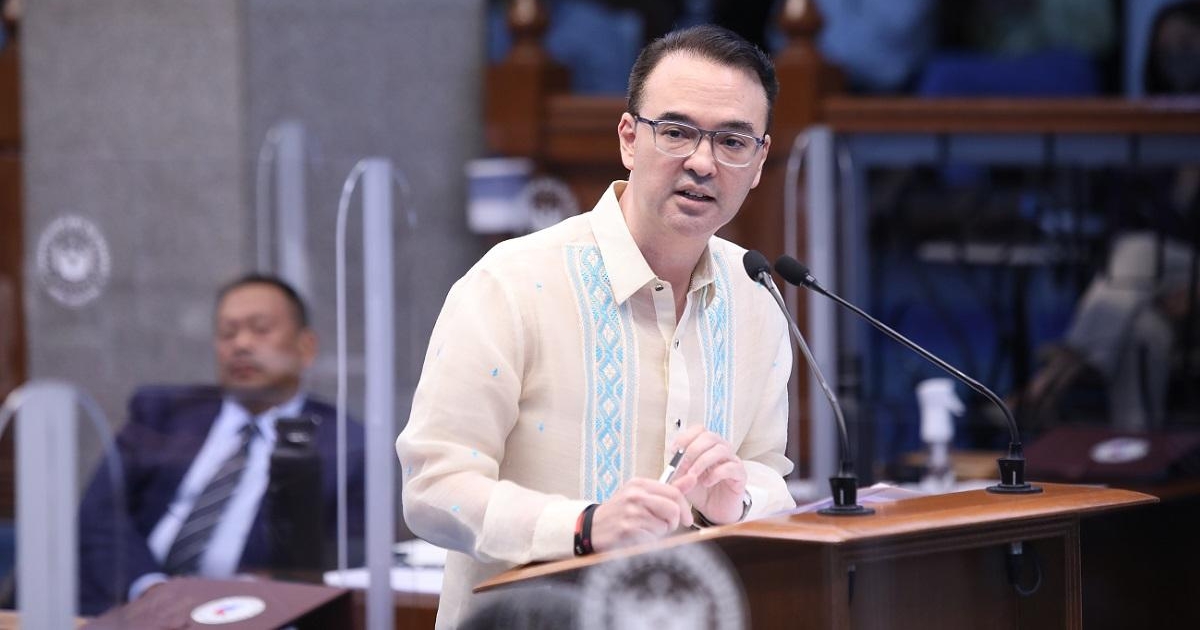
Senator Joel Villanueva also took the floor, reinforcing concerns. He said DOH repeatedly blamed logistics for medicine expirations worth millions or billions. But in his view, the problem may be deeper—structural inefficiency, poor planning, and reliance on small, unqualified contractors.
He mentioned COA audit reports and a list of LGUs and mayors who refused deliveries of medicines because they were close to expiry. He demanded immediate action to prevent waste and protect public health.
Senator Allan further explained that the national tax allotment (NTA) and funding allocations were part of the bigger issue. He criticized the national government for shifting responsibilities to LGUs without giving them the proper funding. He clarified the distinctions between fully devolved, partially devolved, and retained functions, noting that hypertension and diabetes maintenance medicines are fully devolved, while TB treatment remains the responsibility of the national government.
He made it clear that he was not advocating for personal interests but laying down facts, and he challenged the Senate and DOH to provide clearer, more honest answers.
He emphasized the underfunding of the National Nutrition Council—despite stunting being one of the country’s biggest problems. He pointed out that the DOH’s budget continues to rise, but critical programs remain underfunded or mismanaged.
He revisited the delayed flu vaccines that were supposed to arrive in March or April but were pushed to December—again putting vulnerable citizens at risk.
Senator Joel recommended that medicines nearing expiry be used for free medical missions, an idea also raised by Senator Tulfo.
He noted that COA reports and LGU testimonies confirm widespread refusal of near-expiry medicines. He called for system-wide reforms to prevent recurring logistical failures.
In closing, Senator Allan reiterated that the explanations offered were not enough. Concrete solutions are needed: better procurement systems, disciplined budgeting, and genuine accountability from both DOH and DBM.
He left the podium issuing a challenge—a demand for urgent action, especially to protect children and the poor, who suffer the most from the government’s failures.
News

Wedding Cake ni Carla Abellana, Tinutukso ng Meme ni Janus del Prado at Netizens! Paano Tinugon ng Bagong Kasal ang Hugis ‘Kabaong’ na Isyu at Bakit Sinasabing ‘Para Sa Amin, Maganda Siya’—Alamin ang Lahat ng Dramatikong Reaksyon sa Social Media
Walang makakapigil sa kasiyahan ng bagong kasal na si Carla Abellana kasama ang kanyang high school sweetheart na si Dr. Reginald Santos. Ngunit kamakailan lamang, ang simpleng detalye ng kanilang kasal—ang wedding cake—ay naging sentro ng online drama at tawanan….

Babala sa 2026: Alleged Masamang Plano at Political Intrigue sa Kongreso! Paano Sinusubukang Patalsikin ang House Speaker at Bakit Pinangangambahan ng Publiko ang Impeachment ng VP Sarah Duterte—Alamin ang Buong Detalye ng Matinding Labanan sa Likod ng Kulungan at Opisina ng Gobyerno
Ngayong bagong taon ng 2026, nagkakaroon na naman ng matinding ingay sa politika sa Pilipinas. Maraming netizens at political observers ang nag-aalala matapos lumabas ang mga ulat tungkol sa umano’y masamang plano para sa ilang pangunahing opisyal ng gobyerno. Isa…
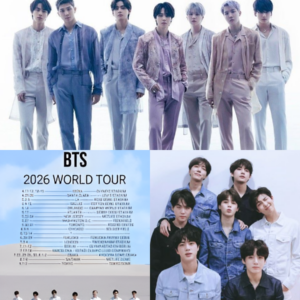
BTS Bumabalik sa 2026! PHILIPPINES Kasama sa Listahan ng World Tour—Magkakaroon ng Eksklusibong Concert sa Manila! Alamin Kung Paano Naghanda ang ARMY Para sa Pinakahihintay na Comeback ng K-pop Supergroup sa Bagong Taon at Bakit Excited ang Bawat Pinoy Fan!”
Pilipinas, maghanda na! Ang pinakamalaking K-pop phenomenon sa mundo, ang BTS, ay opisyal nang nagbigay ng pahiwatig ng kanilang comeback ngayong 2026, at kasama sa kanilang world tour ang ating bansa. Isang pangyayaring nagpasabog sa social media at nagpaiyak sa…

Serena Dalrymple: Mula sa Sikat na Commercial at Mga Premyadong Pelikula Hanggang sa Buhay na Binaraha ng Pagkawala ng Mga Magulang Nang Maaga, At Pag-aalaga sa Kanyang Mga Kapatid—Ngunit Ang Tunay na Nakatulong Sa Kanya Upang Malampasan ang Lahat ng Pagsubok, Magtagumpay, at Matagpuan ang Kaligayahan Bilang Isang Ina at Asawa ay May Lihim na Hindi Pa Alam ng Nakararami… Tuklasin sa Link sa Comments…
Si Serena Dalrymple ay isang pangalan na agad nagpapaalala sa mga Pilipino ng dekada 90 at maagang 2000s – isang batang artista na sumikat dahil sa kanyang mga makukulay na commercial at mga pelikulang pinapurihan ng mga kritiko. Ngunit sa…

Chris Aquino Ginulat ang Lahat Nang Magbahagi ng Nakakabigla at Nakakalungkot na Update Tungkol sa Kalagayan ng Kanyang Anak Bimbe—Paano Na Nga Ba ang Kanilang Mag-iina? Alamin ang Buong Detalye na Nagpaiyak at Nagpagulantang sa Buong Publiko!
Muling nabigla ang publiko nang magbahagi ng isang emosyonal at nakakaantig na post sa Instagram si Chris Aquino noong December 29, 2025. Sa kabila ng mga masasayang larawan na madalas niyang ibahagi sa social media, ngayon ay ibang-iba ang tono….

Three Generations of Exorcists Lived in Poverty: In My Generation, I Use SCIENCE to Catch Ghosts
My family has been in the spiritual cleansing business for three generations. My grandfather was a celestial master, living a pure life. After exorcising spirits, he only accepted two sweet potatoes as a token of gratitude.By the end of his…
End of content
No more pages to load