This Christmas, Ara Davao experienced a season unlike any other—a holiday filled not only with celebration but also with profound sorrow. For the first time, she celebrated Christmas without her beloved father, Ricky Davao, and her grandmother, the iconic Pilita Corrales. The absence of these two central figures in her life has left a void that no amount of holiday cheer could fill.
Ara, known for her warmth and infectious positivity on-screen, took to Instagram to express the complicated mix of emotions she felt this year. “I’m grateful, I’m celebrating, but I’m also carrying the quiet ache of losing people who meant everything to me,” she wrote, accompanied by a caption that resonated deeply with her followers.
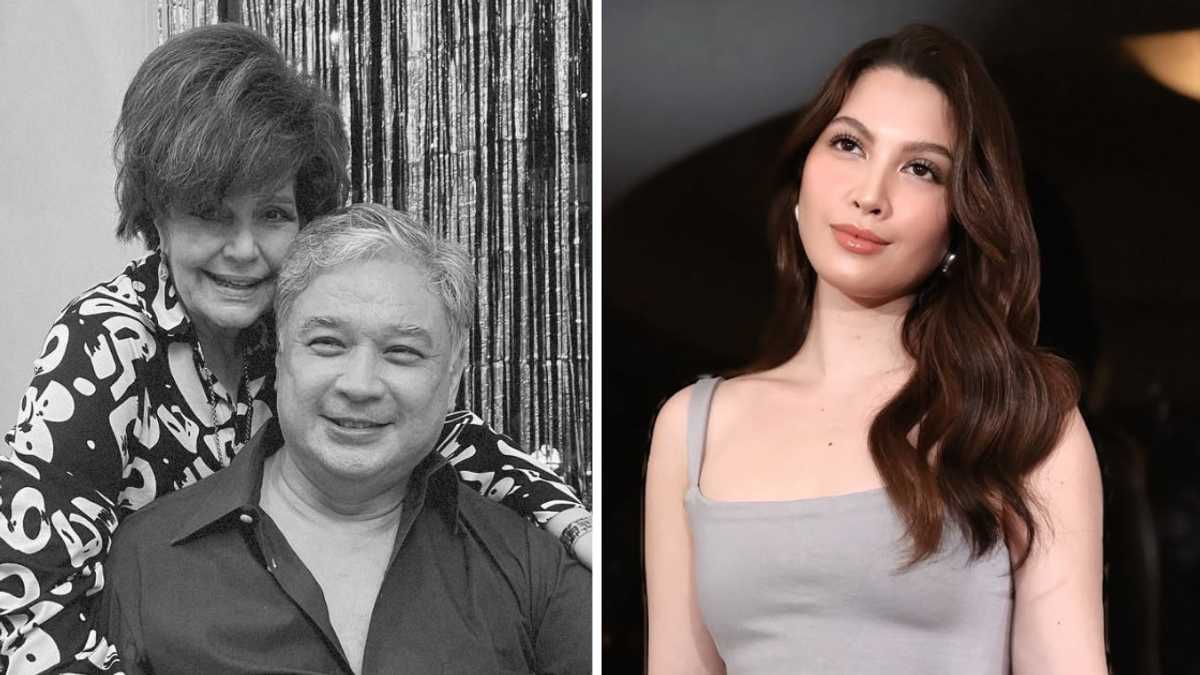
The images she shared included tender moments with Ricky and Pilita, snapshots from past celebrations that highlighted their close-knit family bond. These photos, now imbued with a poignant nostalgia, reminded fans just how much these personalities had shaped Ara’s life and career.
A Year Marked by Loss
The grief that Ara faces this Christmas is rooted in events earlier this year. On May 2, 2025, she confirmed the passing of her father, Ricky Davao, at the age of 63, after a courageous battle with complications from cancer. His passing was a heavy blow not only to Ara but also to the Filipino entertainment community, which mourned the loss of a talented and beloved actor.
In addition, the family faced another heartbreaking loss earlier in the year. In April, it was announced by Janine Gutierrez that their Mamita, Pilita Corrales, had passed away at the age of 85. The legendary singer and cultural icon left behind an unparalleled legacy, and her absence is deeply felt by Ara, who had shared a unique bond with her grandmother.
Mixed Emotions Amid Holiday Cheer
For Ara, Christmas has always been a favorite holiday. It is a time of laughter, togetherness, and celebration. However, this year, the festive season came “with mixed emotions,” as she candidly shared. She reflected on the paradox of celebrating joy while mourning loss.
“And maybe that’s okay. Grief, after all, is just love that never learned how to leave. Somehow, that still feels very Christmas-y. ❤️🎄” Ara wrote, capturing the bittersweet reality of holiday grief.
Fans quickly flooded her post with supportive messages, many expressing their admiration for her honesty and vulnerability. Comments ranged from simple condolences to heartfelt reflections, with some fans sharing their own experiences of celebrating holidays without loved ones. One follower wrote, “Ara, your strength is inspiring. Your dad and lola are smiling down on you this Christmas.” Another added, “Grief and love coexist, and you’ve shown us how to honor both.”
The Weight of Absence
The first Christmas without Ricky Davao and Pilita Corrales is more than just a missing presence at the dinner table. It is a reminder of milestones left unshared, stories left untold, and traditions that will have to be reimagined. Ara herself admitted to feeling the tension between her desire to celebrate and the ache of loss.
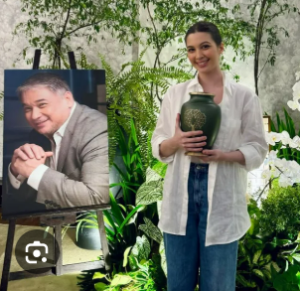
In interviews, she mentioned that despite the sorrow, she wanted to honor her father and grandmother by keeping their memory alive during the holidays. “I light a candle for them, I play their favorite songs, and I tell stories about them,” she explained. “It’s my way of having them here, even if they’re not physically present.”
A Message of Resilience and Love
Ara’s public acknowledgment of her grief carries an important message about the duality of the holiday season. It is possible to feel joy and sorrow simultaneously. She reminds her fans and fellow Filipinos that grieving loved ones does not negate the spirit of celebration. Instead, it offers a deeper, more reflective way to engage with the holiday.
Her words also highlight the enduring impact of family connections. Even in their absence, Ricky and Pilita’s influence continues to shape her life and values. “Their love and guidance never truly leave us,” Ara shared. “It’s in the laughter, the stories, the traditions we hold dear. Christmas is about family, in all forms, and they are very much a part of mine.”
Community Support and Shared Grief
The public response has been overwhelming. Social media users, colleagues in the entertainment industry, and even casual fans have expressed solidarity. Many have shared personal stories of celebrating holidays without loved ones, turning Ara’s post into a communal space for remembrance and comfort.
“This is what the holidays are truly about,” wrote one commenter. “Remembering those we’ve lost and cherishing the memories we have with them.” The combination of Ara’s candidness and the universal theme of loss has resonated far beyond her immediate fan base, sparking discussions about the intersection of grief, memory, and celebration.
Looking Forward: Keeping Their Memory Alive
As Ara continues to navigate this first Christmas without her father and grandmother, she emphasizes the importance of remembrance and legacy. She hopes to carry forward the traditions they cherished, incorporating them into new family experiences while preserving the essence of their love and wisdom.
“I want to make new memories while honoring the old ones,” Ara explained. “It’s a delicate balance, but it’s how we keep love alive.”
Conclusion: A Christmas of Reflection and Emotional Depth
Ara Davao’s first holiday season without Ricky Davao and Pilita Corrales is a poignant reminder that grief and love are inseparable. It is a celebration marked by mixed emotions—joy intertwined with sorrow, laughter shadowed by absence.
Through her heartfelt posts and reflective words, Ara demonstrates that it is possible to honor the past while embracing the present. Her experience this Christmas provides a moving example for anyone grappling with loss, showing that the spirit of the season can coexist with remembrance and emotional honesty.
In the end, this Christmas is not only about lights, gifts, or festive cheer. For Ara Davao, it is a season of reflection, remembrance, and the enduring presence of those who continue to live in our hearts—even when they are gone.
News

Wedding Cake ni Carla Abellana, Tinutukso ng Meme ni Janus del Prado at Netizens! Paano Tinugon ng Bagong Kasal ang Hugis ‘Kabaong’ na Isyu at Bakit Sinasabing ‘Para Sa Amin, Maganda Siya’—Alamin ang Lahat ng Dramatikong Reaksyon sa Social Media
Walang makakapigil sa kasiyahan ng bagong kasal na si Carla Abellana kasama ang kanyang high school sweetheart na si Dr. Reginald Santos. Ngunit kamakailan lamang, ang simpleng detalye ng kanilang kasal—ang wedding cake—ay naging sentro ng online drama at tawanan….

Babala sa 2026: Alleged Masamang Plano at Political Intrigue sa Kongreso! Paano Sinusubukang Patalsikin ang House Speaker at Bakit Pinangangambahan ng Publiko ang Impeachment ng VP Sarah Duterte—Alamin ang Buong Detalye ng Matinding Labanan sa Likod ng Kulungan at Opisina ng Gobyerno
Ngayong bagong taon ng 2026, nagkakaroon na naman ng matinding ingay sa politika sa Pilipinas. Maraming netizens at political observers ang nag-aalala matapos lumabas ang mga ulat tungkol sa umano’y masamang plano para sa ilang pangunahing opisyal ng gobyerno. Isa…

BTS Bumabalik sa 2026! PHILIPPINES Kasama sa Listahan ng World Tour—Magkakaroon ng Eksklusibong Concert sa Manila! Alamin Kung Paano Naghanda ang ARMY Para sa Pinakahihintay na Comeback ng K-pop Supergroup sa Bagong Taon at Bakit Excited ang Bawat Pinoy Fan!”
Pilipinas, maghanda na! Ang pinakamalaking K-pop phenomenon sa mundo, ang BTS, ay opisyal nang nagbigay ng pahiwatig ng kanilang comeback ngayong 2026, at kasama sa kanilang world tour ang ating bansa. Isang pangyayaring nagpasabog sa social media at nagpaiyak sa…

Serena Dalrymple: Mula sa Sikat na Commercial at Mga Premyadong Pelikula Hanggang sa Buhay na Binaraha ng Pagkawala ng Mga Magulang Nang Maaga, At Pag-aalaga sa Kanyang Mga Kapatid—Ngunit Ang Tunay na Nakatulong Sa Kanya Upang Malampasan ang Lahat ng Pagsubok, Magtagumpay, at Matagpuan ang Kaligayahan Bilang Isang Ina at Asawa ay May Lihim na Hindi Pa Alam ng Nakararami… Tuklasin sa Link sa Comments…
Si Serena Dalrymple ay isang pangalan na agad nagpapaalala sa mga Pilipino ng dekada 90 at maagang 2000s – isang batang artista na sumikat dahil sa kanyang mga makukulay na commercial at mga pelikulang pinapurihan ng mga kritiko. Ngunit sa…

Chris Aquino Ginulat ang Lahat Nang Magbahagi ng Nakakabigla at Nakakalungkot na Update Tungkol sa Kalagayan ng Kanyang Anak Bimbe—Paano Na Nga Ba ang Kanilang Mag-iina? Alamin ang Buong Detalye na Nagpaiyak at Nagpagulantang sa Buong Publiko!
Muling nabigla ang publiko nang magbahagi ng isang emosyonal at nakakaantig na post sa Instagram si Chris Aquino noong December 29, 2025. Sa kabila ng mga masasayang larawan na madalas niyang ibahagi sa social media, ngayon ay ibang-iba ang tono….

Three Generations of Exorcists Lived in Poverty: In My Generation, I Use SCIENCE to Catch Ghosts
My family has been in the spiritual cleansing business for three generations. My grandfather was a celestial master, living a pure life. After exorcising spirits, he only accepted two sweet potatoes as a token of gratitude.By the end of his…
End of content
No more pages to load