At nineteen, Michael Carroll was collecting garbage on the quiet streets of Swaffham, United Kingdom. Eight years later, he was collecting the consequences of one of the most shocking lottery downfalls in modern history.
This is the story of how a PHP 774 million jackpot turned a teenage garbage man into a headline-grabbing symbol of excess—and how the same fortune vanished in less than a decade, leaving him exactly where he began.
But unlike most cautionary tales, Michael Carroll has one message for the world:
“I have no regrets.”
The £1 Ticket That Changed Everything
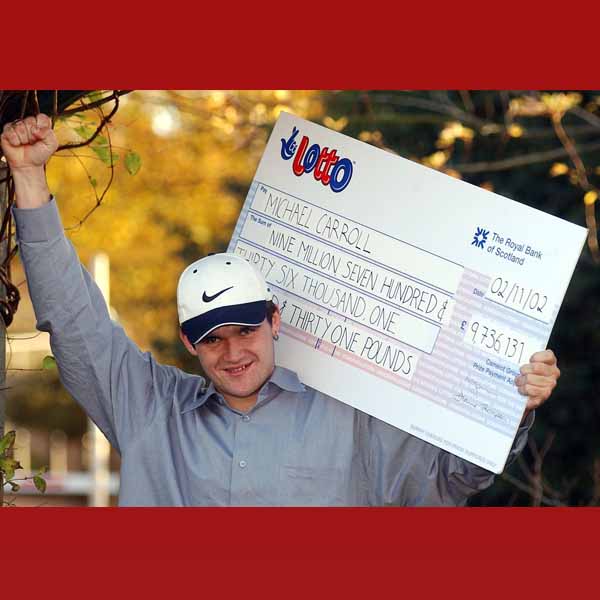
In November 2002, Michael Carroll spent £1—about PHP 1,400—on a National Lottery ticket. It was his first-ever attempt at playing the lotto. He didn’t plan. He didn’t dream. He didn’t even expect to win a small prize.
Then the impossible happened.
Michael hit the jackpot: £9,736,131, equivalent to PHP 774,786,798.
Overnight, the teenage garbage man became one of the youngest lottery millionaires in British history. Cameras followed him. Headlines exploded. And the world watched as a boy with no financial experience was handed more money than most people earn in a lifetime.
“I Thought the Money Would Never End”
At first, Michael tried to be generous.
He gave £1 million each to his mother, his sister, and an aunt. He donated another £1 million to the Scottish football club Rangers, a team he passionately supported. He placed £3.9 million into an investment bond—what appeared to be a responsible move.
But the rest?
That was where restraint disappeared.
Living Like There Was No Tomorrow
Michael bought a £325,000 mansion, filled it with luxury, and surrounded himself with excess. He spent £150,000 on gold jewelry alone. His driveway quickly became a showroom, featuring a Range Rover, two BMW M3s, a BMW Z4, and three Mitsubishi Evos.
Yet material wealth was only the beginning.
Michael didn’t just live large—he lived recklessly.
A Lifestyle Fueled by Drugs, Alcohol, and Chaos

In later interviews, Michael admitted that he spiraled into severe substance abuse. At his peak, he was spending more than £2,000 a day on cocaine. He became an alcoholic, starting his mornings with vodka and drugs before most people even woke up.
“I’d wake up, do three lines, drink half a bottle,” he confessed.
The nights were worse.
Michael spent staggering amounts on sex-fueled parties, including so-called “Roman-style orgies,” where naked women served trays of cocaine. Each session reportedly cost him £50,000—money burned in a single night.
What looked glamorous from the outside was, in reality, a slow-motion collapse.
Fame Turned Into Fear
With money came attention—and not all of it was welcome.
Michael began living in constant fear. He claimed that armed men broke into his home. He received threats and was repeatedly blackmailed. In one horrifying incident, he woke up to find five of his dogs killed.
To protect himself, he paid off anyone who caused trouble. The cash drained faster than he realized.
The investment bond that was supposed to secure his future became his last lifeline. And when he began withdrawing from it early, penalty fees devoured what remained.
The Money Runs Out
By September 2003, Michael was no longer living off lottery winnings—only the shrinking remains of his bond.
By 2010, the truth became unavoidable.
He was broke.
No mansion. No luxury cars. No security. No millions.
The same hands that once held a jackpot check were now empty.
Back Where It All Began
Desperate for income, Michael searched for work. He briefly found a job delivering coal. Eventually, he returned to the only work he truly knew.
He became a garbage man again.
Today, Michael lives a modest life in Belfast, Northern Ireland, alongside his ex-wife, Sandra Aitken. He earns £10 per hour, roughly PHP 796, collecting trash—almost exactly where his journey began.
“I Wouldn’t Change a Thing”
Despite everything—the addiction, the fear, the fall—Michael Carroll remains defiant.
“I don’t look back with any regrets,” he told The Mirror.
“I wouldn’t want to turn the clock back.”
For him, those eight years of excess were worth every penny.
“They were the best eight years of my life for a pound,” he said.
A Harsh Lesson or a Brutally Honest Truth?
Michael Carroll’s story shocks not because he lost his fortune—but because he refuses to mourn it.
To some, he is a tragic warning about what happens when money meets immaturity. To others, he is brutally honest: a man who lived without limits, paid the price, and accepted it.
In the end, his story leaves one unsettling question hanging in the air:
If you were given everything at nineteen—would you really do any better?
News

Wedding Cake ni Carla Abellana, Tinutukso ng Meme ni Janus del Prado at Netizens! Paano Tinugon ng Bagong Kasal ang Hugis ‘Kabaong’ na Isyu at Bakit Sinasabing ‘Para Sa Amin, Maganda Siya’—Alamin ang Lahat ng Dramatikong Reaksyon sa Social Media
Walang makakapigil sa kasiyahan ng bagong kasal na si Carla Abellana kasama ang kanyang high school sweetheart na si Dr. Reginald Santos. Ngunit kamakailan lamang, ang simpleng detalye ng kanilang kasal—ang wedding cake—ay naging sentro ng online drama at tawanan….

Babala sa 2026: Alleged Masamang Plano at Political Intrigue sa Kongreso! Paano Sinusubukang Patalsikin ang House Speaker at Bakit Pinangangambahan ng Publiko ang Impeachment ng VP Sarah Duterte—Alamin ang Buong Detalye ng Matinding Labanan sa Likod ng Kulungan at Opisina ng Gobyerno
Ngayong bagong taon ng 2026, nagkakaroon na naman ng matinding ingay sa politika sa Pilipinas. Maraming netizens at political observers ang nag-aalala matapos lumabas ang mga ulat tungkol sa umano’y masamang plano para sa ilang pangunahing opisyal ng gobyerno. Isa…

BTS Bumabalik sa 2026! PHILIPPINES Kasama sa Listahan ng World Tour—Magkakaroon ng Eksklusibong Concert sa Manila! Alamin Kung Paano Naghanda ang ARMY Para sa Pinakahihintay na Comeback ng K-pop Supergroup sa Bagong Taon at Bakit Excited ang Bawat Pinoy Fan!”
Pilipinas, maghanda na! Ang pinakamalaking K-pop phenomenon sa mundo, ang BTS, ay opisyal nang nagbigay ng pahiwatig ng kanilang comeback ngayong 2026, at kasama sa kanilang world tour ang ating bansa. Isang pangyayaring nagpasabog sa social media at nagpaiyak sa…

Serena Dalrymple: Mula sa Sikat na Commercial at Mga Premyadong Pelikula Hanggang sa Buhay na Binaraha ng Pagkawala ng Mga Magulang Nang Maaga, At Pag-aalaga sa Kanyang Mga Kapatid—Ngunit Ang Tunay na Nakatulong Sa Kanya Upang Malampasan ang Lahat ng Pagsubok, Magtagumpay, at Matagpuan ang Kaligayahan Bilang Isang Ina at Asawa ay May Lihim na Hindi Pa Alam ng Nakararami… Tuklasin sa Link sa Comments…
Si Serena Dalrymple ay isang pangalan na agad nagpapaalala sa mga Pilipino ng dekada 90 at maagang 2000s – isang batang artista na sumikat dahil sa kanyang mga makukulay na commercial at mga pelikulang pinapurihan ng mga kritiko. Ngunit sa…

Chris Aquino Ginulat ang Lahat Nang Magbahagi ng Nakakabigla at Nakakalungkot na Update Tungkol sa Kalagayan ng Kanyang Anak Bimbe—Paano Na Nga Ba ang Kanilang Mag-iina? Alamin ang Buong Detalye na Nagpaiyak at Nagpagulantang sa Buong Publiko!
Muling nabigla ang publiko nang magbahagi ng isang emosyonal at nakakaantig na post sa Instagram si Chris Aquino noong December 29, 2025. Sa kabila ng mga masasayang larawan na madalas niyang ibahagi sa social media, ngayon ay ibang-iba ang tono….

Three Generations of Exorcists Lived in Poverty: In My Generation, I Use SCIENCE to Catch Ghosts
My family has been in the spiritual cleansing business for three generations. My grandfather was a celestial master, living a pure life. After exorcising spirits, he only accepted two sweet potatoes as a token of gratitude.By the end of his…
End of content
No more pages to load