In a stunning turn of events that has rattled Philippine politics, new investigative reports suggest that the roots of corruption may run deeper—and wider—than the public ever imagined. A series of exposés has revealed a complex web of influence, public funds, and high-profile names spanning the Senate, House of Representatives, and several national agencies. What began as chatter about “flood control anomalies” has now escalated into a political firestorm linking massive infrastructure allocations, controversial contractors, and explosive testimonies.
At the center of one of these swirling storms is the province of Aurora—specifically the municipality of Baler, the long-recognized stronghold of the Angara political clan. According to an agenda report from the Bilonaryo News Channel, Baler and surrounding towns received an extraordinary cascade of infrastructure projects from 2019 to 2024, amounting to roughly ₱6 billion. For a municipality of its size, the figure is nothing short of astonishing.

What makes the timing more controversial, according to the report, is that these years coincided with Senator Sonny Angara’s tenure as chair of the powerful Senate Finance Committee, the body with the greatest influence over the national budget under the General Appropriations Act. Critics and political observers are now asking whether the unusual volume of funding reflects a coincidence—or favoritism.
Local governance adds another layer to the discussion. During the years examined, Baler’s mayor was Rhett Angara, while the congressional representative for the district was Rommel Angara—both relatives of the senator. With budget allocation at the national level and implementation at the local level seemingly concentrated within one family, investigative teams began scrutinizing the actual project list.
What they found raised even more questions.
Multiple road projects in Baler, San Luis, and Dingalan reportedly appeared repeatedly across different years—some with overlapping segments, others with descriptions so similar they appeared nearly identical. In 2022, two projects valued at over ₱60 million each were awarded to IRC Construction and BMK Construction. In 2023, a similar project went again to IRC. In 2024, another pair of road projects emerged—with significantly higher price tags. The patterns prompted concerns about possible duplication, inflation of costs, or “ghost portions,” though no official determination has been made.
The Angara camp has not issued a detailed official statement, though Secretary Angara did post on his personal account that he could withstand political attacks but urged critics not to drag his late father into the controversy. For many citizens, however, the question remains: Were these allocations simply part of public service, or evidence of a deeper and more entrenched system of influence?
As attention shifted from the Senate to the House of Representatives, another figure emerged at the center of inquiry—Cagayan 3rd District Representative Joseph Lara. According to a joint referral filed before the Ombudsman, Lara’s family owns JLL Pulsar Construction Corporation, a firm that reportedly secured more than ₱2.4 billion worth of government contracts from 2016 to 2024. Documents from the Securities and Exchange Commission show that Lara’s own children are listed as current stockholders, while Lara himself once controlled 80% of the company’s shares.
Under the Philippine Constitution, legislators are prohibited from having any financial interest in government contracts. JLL Pulsar’s projects reportedly spiked in number after Lara assumed office in 2019, including more than 100 contracts in the Cagayan Valley region worth over ₱4 billion, plus additional contracts in Ilocos.
Several projects raised red flags, including the Namuac Bridge in Santo Niño, which was awarded shortly after Lara entered Congress and remained unfinished well beyond its target completion date. In Pangasinan, bypass road projects appeared year after year with nearly identical titles, suggesting the possibility of slicing or duplication.
Congressman Lara has firmly denied wrongdoing, saying he welcomes the investigation and stressing that the issue stems from his historical affiliation with the corporation rather than any involvement in anomalous contracts. He insists that he has violated no law and is prepared to defend himself.
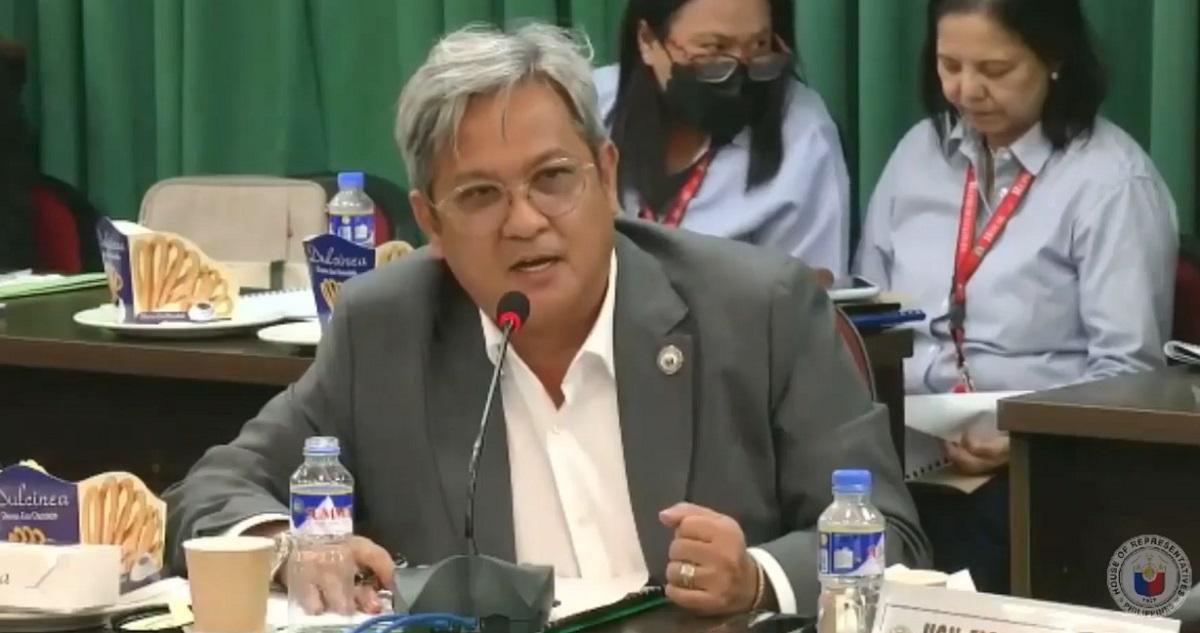
While legislative controversies were heating up, the executive branch was shaken by its own revelations.
Former DPWH Secretary Manuel Bonoan broke his silence, issuing a firm denial of allegations made by former Undersecretary Roberto Bernardo, who testified before the Senate that Bonoan had supposedly been linked to kickback arrangements. Bonoan, who served the DPWH for 44 years, rejected the accusations as baseless smears designed to tarnish his name.
But Bonoan’s statement did not end there.
He also dropped his own bombshell: an account of a meeting allegedly involving Congressman Leandro Leviste, Senator Loren Legarda, and Iloilo Representative Jojo Ang, during which—according to Bonoan—a request was made to increase the budgets allocated to the legislative districts of Batangas and Antique by billions of pesos. Bonoan asserted that he refused, citing an established formula used to compute allocations since the beginning of the Marcos administration.
Leviste quickly countered, saying he never claimed Bonoan handed him pre-ordered project lists. He maintained that the documents he possesses came from the office of former Usec. Cathy Cabral, allegedly with the consent of current DPWH Secretary Manuel Bonoan’s successor, Vince Dizon. The public was left watching as two powerful camps exchanged accusations, denials, and counter-narratives.
Yet amid the chaos, a development gave the public a glimpse—however small—of accountability.
According to the Bilonaryo News Channel, former DPWH Bulacan District Engineer Henry Alcantara returned ₱110 million to the government via the Bureau of the Treasury. Alcantara, linked to the so-called “BGC Boys” group involved in flood control anomalies, made the payment through his lawyer, describing it as an act of responsibility.
The Department of Justice later clarified that the refunded amount is only part of an estimated ₱200 million that Alcantara is believed to owe the government. Importantly, DOJ emphasized that any immunity applies only to the specific amount returned, and not to any other potential anomalies. In other words, the refund does not erase liability for other projects that may later be uncovered.
Alcantara, alongside former DPWH Undersecretary Roberto Bernardo, is currently under provisional status in the Witness Protection Program. Bernardo, for his part, is coordinating with authorities to transfer several frozen bank accounts holding over ₱7 million to the government.
Every peso being returned strengthens the public’s belief that the anomalies are real, the schemes were deliberate, and the stolen money flowed through a system long hidden from view. But the government has made one message clear: returning funds is not enough to escape full accountability.
In the coming weeks, investigations are expected to intensify. More testimonies may surface. More officials may be implicated. And more money—potentially—may be returned.
But one thing is already undeniable:
This unfolding scandal has exposed not just individual wrongdoing but a system—one that the Filipino people are now demanding to be broken, once and for all.
News

Wedding Cake ni Carla Abellana, Tinutukso ng Meme ni Janus del Prado at Netizens! Paano Tinugon ng Bagong Kasal ang Hugis ‘Kabaong’ na Isyu at Bakit Sinasabing ‘Para Sa Amin, Maganda Siya’—Alamin ang Lahat ng Dramatikong Reaksyon sa Social Media
Walang makakapigil sa kasiyahan ng bagong kasal na si Carla Abellana kasama ang kanyang high school sweetheart na si Dr. Reginald Santos. Ngunit kamakailan lamang, ang simpleng detalye ng kanilang kasal—ang wedding cake—ay naging sentro ng online drama at tawanan….
Babala sa 2026: Alleged Masamang Plano at Political Intrigue sa Kongreso! Paano Sinusubukang Patalsikin ang House Speaker at Bakit Pinangangambahan ng Publiko ang Impeachment ng VP Sarah Duterte—Alamin ang Buong Detalye ng Matinding Labanan sa Likod ng Kulungan at Opisina ng Gobyerno
Ngayong bagong taon ng 2026, nagkakaroon na naman ng matinding ingay sa politika sa Pilipinas. Maraming netizens at political observers ang nag-aalala matapos lumabas ang mga ulat tungkol sa umano’y masamang plano para sa ilang pangunahing opisyal ng gobyerno. Isa…

BTS Bumabalik sa 2026! PHILIPPINES Kasama sa Listahan ng World Tour—Magkakaroon ng Eksklusibong Concert sa Manila! Alamin Kung Paano Naghanda ang ARMY Para sa Pinakahihintay na Comeback ng K-pop Supergroup sa Bagong Taon at Bakit Excited ang Bawat Pinoy Fan!”
Pilipinas, maghanda na! Ang pinakamalaking K-pop phenomenon sa mundo, ang BTS, ay opisyal nang nagbigay ng pahiwatig ng kanilang comeback ngayong 2026, at kasama sa kanilang world tour ang ating bansa. Isang pangyayaring nagpasabog sa social media at nagpaiyak sa…

Serena Dalrymple: Mula sa Sikat na Commercial at Mga Premyadong Pelikula Hanggang sa Buhay na Binaraha ng Pagkawala ng Mga Magulang Nang Maaga, At Pag-aalaga sa Kanyang Mga Kapatid—Ngunit Ang Tunay na Nakatulong Sa Kanya Upang Malampasan ang Lahat ng Pagsubok, Magtagumpay, at Matagpuan ang Kaligayahan Bilang Isang Ina at Asawa ay May Lihim na Hindi Pa Alam ng Nakararami… Tuklasin sa Link sa Comments…
Si Serena Dalrymple ay isang pangalan na agad nagpapaalala sa mga Pilipino ng dekada 90 at maagang 2000s – isang batang artista na sumikat dahil sa kanyang mga makukulay na commercial at mga pelikulang pinapurihan ng mga kritiko. Ngunit sa…

Chris Aquino Ginulat ang Lahat Nang Magbahagi ng Nakakabigla at Nakakalungkot na Update Tungkol sa Kalagayan ng Kanyang Anak Bimbe—Paano Na Nga Ba ang Kanilang Mag-iina? Alamin ang Buong Detalye na Nagpaiyak at Nagpagulantang sa Buong Publiko!
Muling nabigla ang publiko nang magbahagi ng isang emosyonal at nakakaantig na post sa Instagram si Chris Aquino noong December 29, 2025. Sa kabila ng mga masasayang larawan na madalas niyang ibahagi sa social media, ngayon ay ibang-iba ang tono….

Three Generations of Exorcists Lived in Poverty: In My Generation, I Use SCIENCE to Catch Ghosts
My family has been in the spiritual cleansing business for three generations. My grandfather was a celestial master, living a pure life. After exorcising spirits, he only accepted two sweet potatoes as a token of gratitude.By the end of his…
End of content
No more pages to load