What is happening in the Philippines today is deeply unsettling. A growing number of Filipinos are expressing fear, confusion, and anger as yet another former government official has died under circumstances many believe are far from ordinary. The death of former Department of Public Works and Highways (DPWH) Undersecretary Maria Catalina Cabral has triggered a wave of suspicion, speculation, and grave concern—especially given her alleged links to one of the country’s largest corruption controversies.
Cabral was found dead near a river in Benguet, reportedly after falling from a steep ravine along Kennon Road. Authorities initially described the incident as an accident. But for many Filipinos watching closely, the details do not sit right. Too many questions remain unanswered. Too many coincidences appear impossible to ignore.
NOT JUST ANOTHER TRAGEDY?

Cabral was not an ordinary citizen. She was a former undersecretary—an insider with decades of experience in the DPWH, an agency now under intense scrutiny for alleged corruption involving massive flood control projects.
For critics and political observers, the biggest concern is not simply how she died—but what she knew before she died.
Her name had been repeatedly mentioned in discussions surrounding alleged anomalous budget insertions and questionable infrastructure projects worth billions of pesos. As investigations intensified and more names surfaced, many began to ask: Was Cabral preparing to speak?
TIMELINE THAT RAISES DOUBTS
Accounts circulating online, including interviews with Cabral’s driver, have only deepened public suspicion.
According to these reports, Cabral and her driver were in the area earlier in the day. They reportedly stayed near the site after lunch and were later asked by police to leave. They went to eat at a restaurant near their hotel. Later in the afternoon—around 2:30 p.m.—Cabral allegedly asked to be driven back to the same area.
It was still daylight. The sun was still high.
The driver left her there briefly. When he returned later in the afternoon, Cabral was gone.
Hours passed. It was only later that her body was reportedly found near the river.
This sequence of events has led many to ask: Did she really jump? Did she fall? Or was something else already unfolding before she was left alone?
A WOMAN WHO “KNEW TOO MUCH”?

The most chilling aspect of this case is the growing belief that Cabral may have been holding critical information—possibly even documented evidence—related to flood control corruption inside the DPWH.
Some lawmakers and commentators have claimed that Cabral possessed documents or digital files containing lists of individuals involved in anomalous budget insertions, including powerful political figures and contractors.
If true, this would place her in an extremely dangerous position.
In corruption scandals of this magnitude, whistleblowers often become liabilities. History—both local and international—shows that those who hold incriminating information against powerful networks are frequently pressured, threatened, or silenced.
This is why many Filipinos are now openly asking: Was Cabral silenced before she could testify?
PUBLIC FEAR AND ANGER GROW
Social media reactions reveal a public deeply shaken by the implications of her death.
Comments range from disbelief to outright accusations of foul play. Some users describe the situation as “fishy.” Others suggest that extreme stress, pressure, or fear may have played a role. Many openly compare Cabral’s death to previous cases where alleged insiders died before they could reveal damaging information.
One recurring message stands out in public commentary:
“If you know something, speak now—before it’s too late.”
There is a growing belief that silence no longer offers protection. In fact, many argue that remaining quiet may make individuals even more vulnerable, as powerful players may assume they will eventually speak.
A PATTERN THAT TERRIFIES
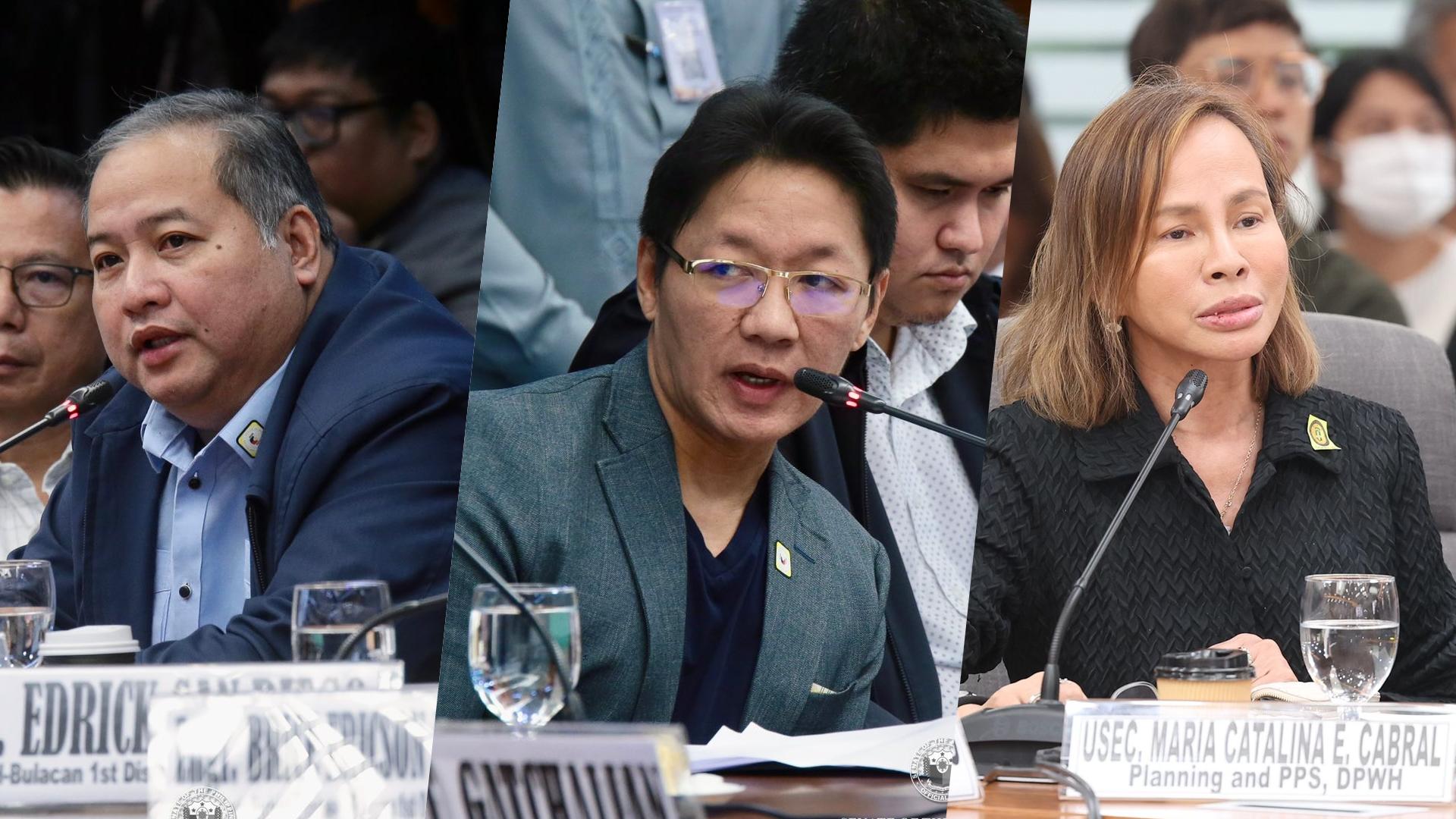
What makes this case particularly alarming is the perception that Cabral’s death is not isolated.
Recent arrests, investigations, and testimonies suggest that the flood control corruption scandal is expanding rapidly. More insiders are being exposed. More money is being traced. More pressure is being applied.
And with pressure comes fear.
“If people are being eliminated to protect names,” one commentator said, “that means this is organized. This means the corruption runs deep.”
This belief has fueled calls for President Ferdinand “Bongbong” Marcos Jr. to act decisively and bring the investigations to their conclusion—no matter how powerful the individuals involved may be.
PRESERVING THE TRUTH
One critical development is the reported move by authorities to secure and preserve Cabral’s cellphone and electronic devices. Many believe these gadgets may contain crucial clues: messages, call logs, documents, or contacts that could reveal who she was communicating with before her death.
However, the fear remains: what if the evidence is already gone?
Digital data can be deleted, wiped, or manipulated. Every hour matters. For the public, preserving Cabral’s digital footprint is not just about solving her death—it’s about uncovering the truth behind years of corruption.
A WARNING TO OTHERS INVOLVED
Across political commentary platforms, a stark warning is now being repeated to anyone connected to the scandal:
Speak now. Tell everything. Do not wait.
Many argue that cooperating fully—naming names, submitting documents, and testifying—is the only real protection left. Because once powerful networks feel threatened, they may act first.
The message is grim but clear:
If you wait, you may never get the chance.
AN UNSETTLING QUESTION REMAINS
As the nation watches this case unfold, one question refuses to disappear:
Did Catalina Cabral die by accident—or was she silenced to protect powerful interests?
Until all evidence is examined, all devices are analyzed, and all names are exposed, that question will continue to haunt the public conscience.
For now, Cabral’s death stands as a dark reminder of how dangerous truth can be in a system riddled with corruption—and how urgently the Philippines needs transparency, accountability, and justice.
Because if this case is ignored, the fear gripping the nation may only grow stronger.
News

Wedding Cake ni Carla Abellana, Tinutukso ng Meme ni Janus del Prado at Netizens! Paano Tinugon ng Bagong Kasal ang Hugis ‘Kabaong’ na Isyu at Bakit Sinasabing ‘Para Sa Amin, Maganda Siya’—Alamin ang Lahat ng Dramatikong Reaksyon sa Social Media
Walang makakapigil sa kasiyahan ng bagong kasal na si Carla Abellana kasama ang kanyang high school sweetheart na si Dr. Reginald Santos. Ngunit kamakailan lamang, ang simpleng detalye ng kanilang kasal—ang wedding cake—ay naging sentro ng online drama at tawanan….

Babala sa 2026: Alleged Masamang Plano at Political Intrigue sa Kongreso! Paano Sinusubukang Patalsikin ang House Speaker at Bakit Pinangangambahan ng Publiko ang Impeachment ng VP Sarah Duterte—Alamin ang Buong Detalye ng Matinding Labanan sa Likod ng Kulungan at Opisina ng Gobyerno
Ngayong bagong taon ng 2026, nagkakaroon na naman ng matinding ingay sa politika sa Pilipinas. Maraming netizens at political observers ang nag-aalala matapos lumabas ang mga ulat tungkol sa umano’y masamang plano para sa ilang pangunahing opisyal ng gobyerno. Isa…

BTS Bumabalik sa 2026! PHILIPPINES Kasama sa Listahan ng World Tour—Magkakaroon ng Eksklusibong Concert sa Manila! Alamin Kung Paano Naghanda ang ARMY Para sa Pinakahihintay na Comeback ng K-pop Supergroup sa Bagong Taon at Bakit Excited ang Bawat Pinoy Fan!”
Pilipinas, maghanda na! Ang pinakamalaking K-pop phenomenon sa mundo, ang BTS, ay opisyal nang nagbigay ng pahiwatig ng kanilang comeback ngayong 2026, at kasama sa kanilang world tour ang ating bansa. Isang pangyayaring nagpasabog sa social media at nagpaiyak sa…

Serena Dalrymple: Mula sa Sikat na Commercial at Mga Premyadong Pelikula Hanggang sa Buhay na Binaraha ng Pagkawala ng Mga Magulang Nang Maaga, At Pag-aalaga sa Kanyang Mga Kapatid—Ngunit Ang Tunay na Nakatulong Sa Kanya Upang Malampasan ang Lahat ng Pagsubok, Magtagumpay, at Matagpuan ang Kaligayahan Bilang Isang Ina at Asawa ay May Lihim na Hindi Pa Alam ng Nakararami… Tuklasin sa Link sa Comments…
Si Serena Dalrymple ay isang pangalan na agad nagpapaalala sa mga Pilipino ng dekada 90 at maagang 2000s – isang batang artista na sumikat dahil sa kanyang mga makukulay na commercial at mga pelikulang pinapurihan ng mga kritiko. Ngunit sa…

Chris Aquino Ginulat ang Lahat Nang Magbahagi ng Nakakabigla at Nakakalungkot na Update Tungkol sa Kalagayan ng Kanyang Anak Bimbe—Paano Na Nga Ba ang Kanilang Mag-iina? Alamin ang Buong Detalye na Nagpaiyak at Nagpagulantang sa Buong Publiko!
Muling nabigla ang publiko nang magbahagi ng isang emosyonal at nakakaantig na post sa Instagram si Chris Aquino noong December 29, 2025. Sa kabila ng mga masasayang larawan na madalas niyang ibahagi sa social media, ngayon ay ibang-iba ang tono….

Three Generations of Exorcists Lived in Poverty: In My Generation, I Use SCIENCE to Catch Ghosts
My family has been in the spiritual cleansing business for three generations. My grandfather was a celestial master, living a pure life. After exorcising spirits, he only accepted two sweet potatoes as a token of gratitude.By the end of his…
End of content
No more pages to load