SHOCKING: Police Confirm Catalina Cabral Murder — Stunning Political Cover‑Up Exposed Behind Flood Control Corruption, 51‑Billion Peso Budget Scheme, and Family Obstruction of Justice
WARNING: This article contains shocking content and disturbing details.
The Philippines is grappling with one of the most explosive political murder cases in recent memory after authorities publicly confirmed that the death of former Department of Public Works and Highways (DPWH) Undersecretary Maria Catalina Cabral was not an accident but a deliberate homicide, shattering the initial narrative and exposing a possible political cover‑up tied to massive corruption schemes.
The shocking conclusion from the autopsy, confirmed by law enforcement sources, contradicts earlier official statements that treated Cabral’s death as the result of an unfortunate fall. For weeks, the nation was fed a sequence of official remarks implying an accident, while social media was ablaze with speculation about foul play, obstruction of justice, and high‑level corruption linked to government infrastructure funds.
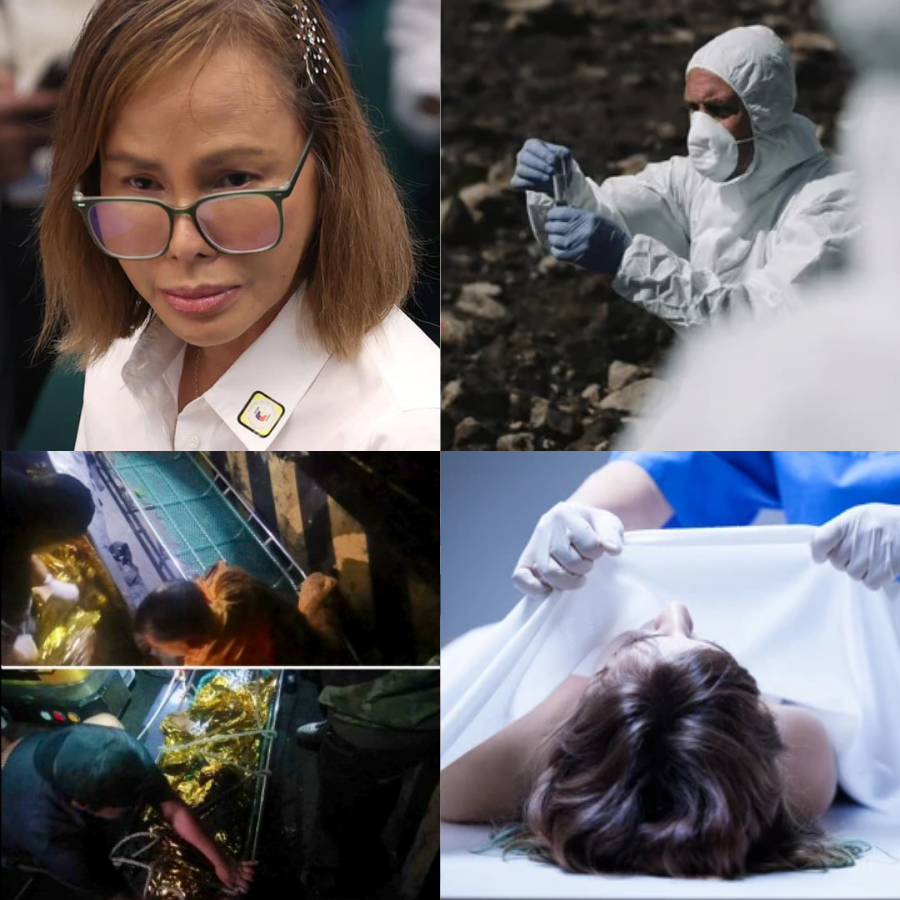
Instead, police forensic experts have now concluded that the physical evidence — including fractures inconsistent with a simple fall and signs of external force — points unmistakably to a violent attack. This finding has sent shockwaves through both the public and political spheres.
The Murder and the Cover‑Up Rumors

Cabral’s body was discovered at the foot of a remote section of Kennon Road — a site initially described as a tragic accident location. Authorities initially hesitated to classify the incident as suspicious, pointing to a lack of visible foul play. Yet an avalanche of pressure from independent investigators, citizen journalists, and persistent inconsistencies in the official timeline led to a formal autopsy and DNA verification, which ultimately revealed what many had feared: this was not a mere accident.
Adding to the mystery, Cabral’s husband and family members initially resisted standard forensic procedures, including an autopsy and DNA tests — a reaction that legal analysts described as “highly unusual” and suggestive of an attempt to shield information from scrutiny. Such behavior intensified public mistrust and fueled theories that the truth was being deliberately concealed.
Political Motives and the 51‑Billion Peso Shadow
At the heart of the controversy is Cabral’s role as a senior DPWH official involved in coordinating and monitoring multi‑billion peso budget allocations — including a 51‑billion peso infrastructure allocation tied to Congressman Pulong Duterte’s district. Her position meant she had access to sensitive documents, contract lists, and proprietary budget insertion details that implicated powerful figures and influential lawmakers.
Observers believe that Cabral’s death may be linked to her insider knowledge of alleged corruption in government spending — particularly in flood control and disaster mitigation projects, a sector recently described in investigative reports as a “corruption playground” where ghost projects, padded contracts, and kickbacks have proliferated over years. Prif Blog
Witness accounts and leaked documents show Cabral was repeatedly questioned under intense pressure during Congressional hearings, strained by persistent demands to disclose details of controversial budget figures. Some analysts say her deep involvement made her both a linchpin for accountability and, tragically, a target.
Explosion of Evidence from the Police Raid
Following the revelation of murder, police obtained warrants and conducted an unprecedented raid on the Cabral family home. Inside the basement, investigators uncovered startling evidence that appears directly linked to corruption investigations:
Large quantities of gold bars and unregistered cash reserves hidden in secure storage, far beyond what could be explained as lawful earnings.
Private contracts and finance records showing questionable transactions, unreported assets, and financial flows tied to infrastructure deals overseen by Cabral’s department.
Multiple digital devices and encrypted files that may contain budget lists, insertion manifests, and potential evidence of undisclosed beneficiaries of government contracts.
Investigators are preparing financial forensics to trace these assets back to public funds, a process that could lead to charges not only against intermediaries but potentially powerful political figures.
Public Outrage and Comparisons to Infamous Political Crimes

The Cabral murder and ensuing revelations have reignited concerns about political violence and corruption in the Philippines — issues that have haunted the nation for decades. Historical cases like the Maguindanao massacre, where 58 people including journalists were killed in a politically motivated ambush, show the extreme lengths to which political violence has been deployed in the past. Wikipedia
Even journalists critical of power have been targeted; the killing of broadcaster Percy Lapid highlighted risks faced by public watchdogs, and drew attention to allegations linking the crime to high‑level government figures. Reddit
Cabral’s case now sits in this uncomfortable landscape: a high‑ranking official dead under suspicious circumstances, with evidence suggesting deliberate murder, obstruction of investigation by close family, and unregistered wealth discovered only after a police raid.
Legal Implications and Ongoing Probe
National authorities have committed to a full investigation. Prosecutors are expected to pursue several angles:
Establishing the timeline and motive behind Cabral’s death, and identifying individuals with opportunity and intent.
Tracing the newly discovered assets and linking them to public fund misuse, graft, or illicit enrichment.
Examining digital and financial evidence for proof of unlawful transactions or hidden beneficiaries tied to political powerbrokers.
Legal experts emphasize that a swift and transparent process is vital to restore public confidence in institutions and ensure that justice is served without fear or favor.
The Fight for Accountability
Public sentiment remains inflamed as Filipinos debate the broader implications of Cabral’s death and what it reveals about governance, transparency, and accountability. Many citizens are calling for greater protections for whistleblowers and more stringent oversight of government expenditures, while political figures scramble to frame the controversy to their advantage.
Until now, the combination of Cabral’s insider knowledge, the discovery of hidden assets, and the confirmation of murder has created one of the most explosive political scandals the Philippines has seen in years — one that could reshape discussions on corruption and political violence for the foreseeable future.
The nation watches closely as the investigation unfolds, demanding answers not only on who was responsible for Catalina Cabral’s death, but why such a pivotal figure in government oversight could be silenced so suddenly and so violently. The truth behind this case may ultimately expose debt lines of corruption that reach far deeper than one tragic death.