DPWH Secretary Says Evidence Supports Filing Charges Against Former Speaker Martin Romualdez
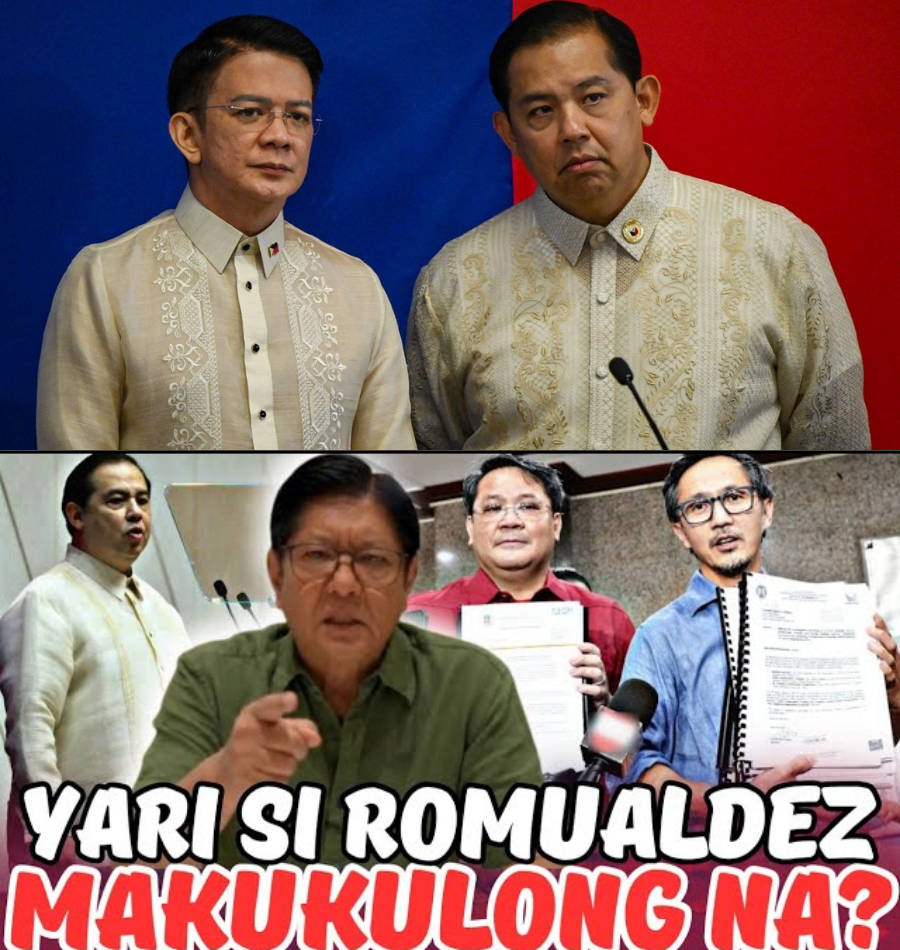
A new wave of political tension is emerging in the Philippines as Department of Public Works and Highways (DPWH) Secretary Vince Dizon confirmed that his agency’s recommendation to file charges against former House Speaker and Leyte Representative Martin Romualdez is based on concrete evidence. The announcement, delivered during Senate budget deliberations, marks one of the most significant developments so far in the ongoing flood control corruption scandal that has gripped the administration.
The controversy intensified after Dizon, responding to questions from Senator Francis “Chiz” Escudero, affirmed that the DPWH’s findings were supported by verifiable documentation. When asked whether he felt any hesitation or pressure in endorsing charges against such a high-profile political figure, Dizon stated that he did not.
“In all my conversations with the President, he has been consistent,” Dizon told senators. “He has always said we will go wherever the evidence leads, regardless of who may be implicated. Our focus is on evidence, and that is what we will submit.”
Allegations of Kickbacks and Ghost Projects
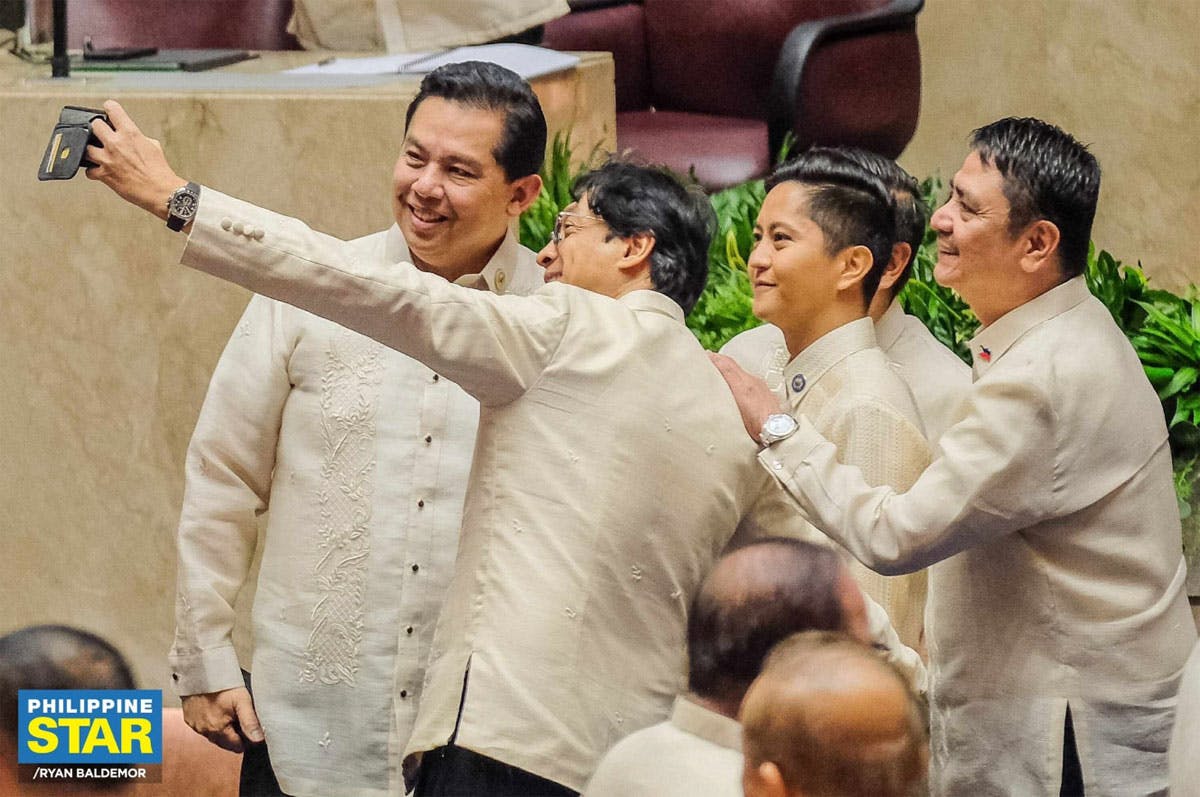
Romualdez has been linked to allegations involving kickbacks connected to infrastructure projects funded under the national budget. He is also among the individuals reportedly implicated in the growing number of ghost projects flagged within the DPWH.
According to data revealed during the Senate plenary debates, there were 421 suspected ghost projects between 2018 and 2025. Notably, the number of questionable projects peaked in 2023 and 2024, raising concerns about potential large-scale misuse of public funds during those years. The revelations have heightened scrutiny over infrastructure allocations, especially flood control programs — historically known for being prone to padding, overpricing, and manipulation.
Lawmakers have long warned that billions allocated to flood mitigation have been vulnerable to corruption. The scandal gained further national attention when whistleblowers and officials began naming political figures allegedly involved in facilitating or benefiting from these schemes.
The Role of Internal Whistleblowers
Sources familiar with the internal discussions claim that tensions escalated after reports surfaced involving Congressman Toby Tiangco, who allegedly disclosed concerns about corrupt practices involving Romualdez and other individuals. President Ferdinand “Bongbong” Marcos Jr. was reportedly angered upon learning of the allegations, especially if they involved people close to the administration or its allies.
While official accounts of these exchanges have not been publicly confirmed, the narrative adds context to why the scandal has become an explosive topic within political circles. The claims highlight the sensitivity of pursuing legal action against individuals with strong political connections, including relations within the President’s extended family.
Escudero Commends Administration for Not Diverting the Issue

During the Senate session, Senator Escudero publicly acknowledged the administration for not allowing the investigation to be derailed or diverted. Some political observers previously speculated that certain groups might attempt to shift public attention away from the flood control scandal.
“I want it placed on the Senate record that I commend the administration for not giving in to any script or theatrics intended to divert attention or mislead the public about who the real perpetrators are,” Escudero said during the deliberations.
Escudero himself had been previously associated with allegations regarding so-called “ham and cheese” insertions in the budget — a term used online to describe questionable allocations. He denied all accusations and questioned why other agencies with even larger questionable allocations were not being similarly scrutinized.
According to Escudero, the President made a difficult but necessary decision to allow investigations to proceed even if they pointed to individuals closely associated with him. He emphasized that the administration must not allow political alliances to overshadow the pursuit of accountability.
Budget Adjustments and Reforms Following the Scandal
In response to the controversy, major adjustments have already been introduced to the DPWH’s upcoming budget. Senator Win Gatchalian, chair of the Finance Committee, noted that the agency’s 2025 budget remains valid for obligation until 2026, with a current obligation rate of around 76% and a disbursement rate of 49%.
To mitigate potential misuse of funds, the DPWH has initiated internal reforms, including:
Reshuffling district engineers
Reducing project material costing across bridges, roads, and flood control programs
Implementing stricter validation of ongoing and proposed projects
Remarkably, Dizon reported that project costs have dropped by up to 50% due to revised costing standards, signaling what could be major cost savings for the government.
In relation to the 2026 national budget, lawmakers slashed approximately ₱255 billion from the DPWH allocation. The reduction reflects the Senate’s intention to prevent further anomalies while sending a clear message regarding accountability.
Awaiting Formal Filing of Charges
With the DPWH and the Independent Congressional Inquiry (ICI) both confirming the existence of evidence, the political atmosphere has shifted dramatically. Once formal charges are filed, analysts say the development could have significant implications not only for Romualdez but also for other individuals who may be named in the complaints.
Because Romualdez is no longer holding the speakership, legal processes may proceed more straightforwardly. Should he be charged, it is expected that all individuals implicated — whether officials or private contractors — will face legal consequences.
The coming weeks are anticipated to be crucial, as the public awaits the release of official documents and the filing of cases. For many lawmakers and watchdog groups, the next steps will determine whether the administration can deliver on its promise of transparency and accountability.
Conclusion
The confirmation from DPWH Secretary Vince Dizon that evidence exists against former Speaker Martin Romualdez marks a pivotal moment in the widening investigation into alleged corruption in flood control and infrastructure projects. With the administration publicly committing to follow the evidence regardless of political ties, the case is emerging as one of the most consequential corruption issues in recent years.
As investigations continue and reforms within DPWH are implemented, the Filipino public now watches closely to see whether the pursuit of accountability will reach all individuals involved — and whether systemic change in public infrastructure spending is finally within reach.