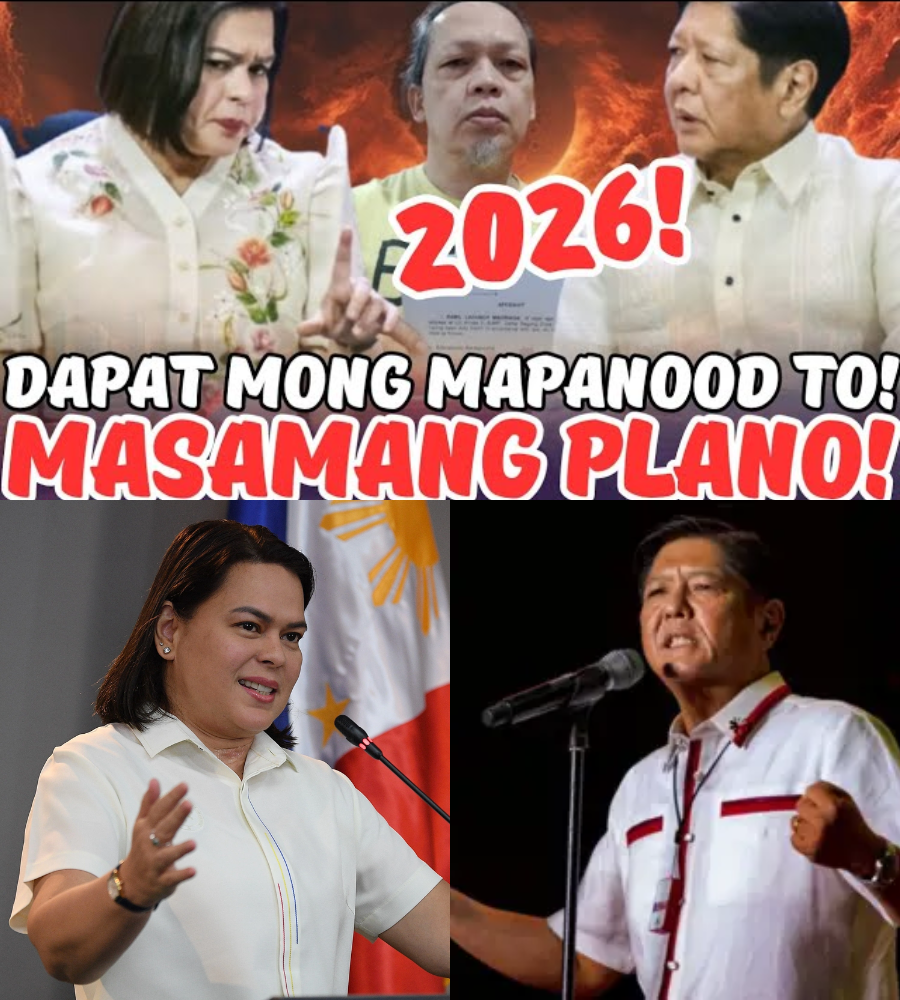
Political Developments in the Philippines: Updates on President Marcos, Vice President Duterte, and Harry Roque
Recent weeks have seen a surge of political developments in the Philippines, capturing both public attention and media coverage. Key topics include the activities of President Ferdinand “Bongbong” Marcos Jr., Vice President Sara Duterte, and legal issues involving former Presidential Spokesperson Harry Roque. These events continue to generate public discussion on governance, accountability, and the rule of law in the country.
One recent incident that drew attention involved a video showing President Marcos and Aimee Marcos attending a private gathering. While the video circulated widely on social media, public reactions varied widely. Many viewers focused on the President’s participation, highlighting how even informal or private appearances can influence public perception. Observers noted that such videos can become the subject of speculation and commentary, illustrating the level of scrutiny faced by national leaders.
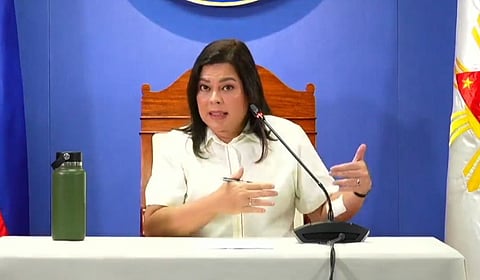
In parallel, the topic of drug testing for government officials, including the President, remains a point of discussion. Vice President Sara Duterte addressed the issue, emphasizing the importance of transparency and accountability. She explained that submitting to drug testing is a responsibility tied to public trust and the competence of officials in leadership positions. Duterte stressed that any refusal to comply with these procedures could raise questions about a leader’s capability to govern effectively. She reiterated that her role as Vice President and first in the line of succession entails readiness to assume leadership if necessary, in accordance with constitutional mandates.
Vice President Duterte also clarified that her authority is limited to what the Constitution allows. Any action outside of this framework would be beyond her jurisdiction, and she highlighted that decisions regarding the succession of leadership are guided by established constitutional procedures. In her statements, she underscored her commitment to uphold democratic principles and support the continuity of government institutions.
Meanwhile, reports concerning former Presidential Spokesperson Harry Roque have been widely circulated. Rumors emerged claiming that Roque was arrested in the Netherlands in connection with an alleged human trafficking case. Roque denied these reports and provided evidence, including his plane ticket to Vienna, Austria, to demonstrate lawful travel. He also indicated that he would file a motion for reconsideration regarding the cancellation of his passport. Roque emphasized that seeking asylum is a recognized human right under international law and that his actions were in accordance with legal protocols.
The Philippine Department of Justice confirmed that individuals traveling without valid documents may face immigration checks. While Roque’s passport was reportedly canceled by a court order, he stressed that the matter remains subject to review through proper legal channels. Roque expressed confidence that his asylum application would be respected and that the international legal system would uphold his rights.

The allegations against Roque are connected to ongoing legal proceedings involving human trafficking at POGO business centers in Porac, Pampanga. He clarified that he has not been found guilty of any criminal activity and highlighted that the claims currently under review are part of standard legal procedures. Roque reiterated that his legal representation is pursuing proper avenues to address the matter and ensure that his rights are protected.
These events have sparked public discussions on legal accountability, human rights, and government transparency. Citizens and media outlets continue to follow developments closely, emphasizing the need for objective reporting and adherence to the rule of law. The Roque case, in particular, underscores the intersection of legal processes, individual rights, and the responsibilities of government authorities.
In addition to these issues, public discourse continues regarding President Marcos’ overall governance and the performance of senior officials. Questions about transparency, accountability, and resource management remain central to public concern. While some discussions focus on administrative decisions and policy implementation, others consider broader questions of governance, including the ethical responsibilities of public officials.
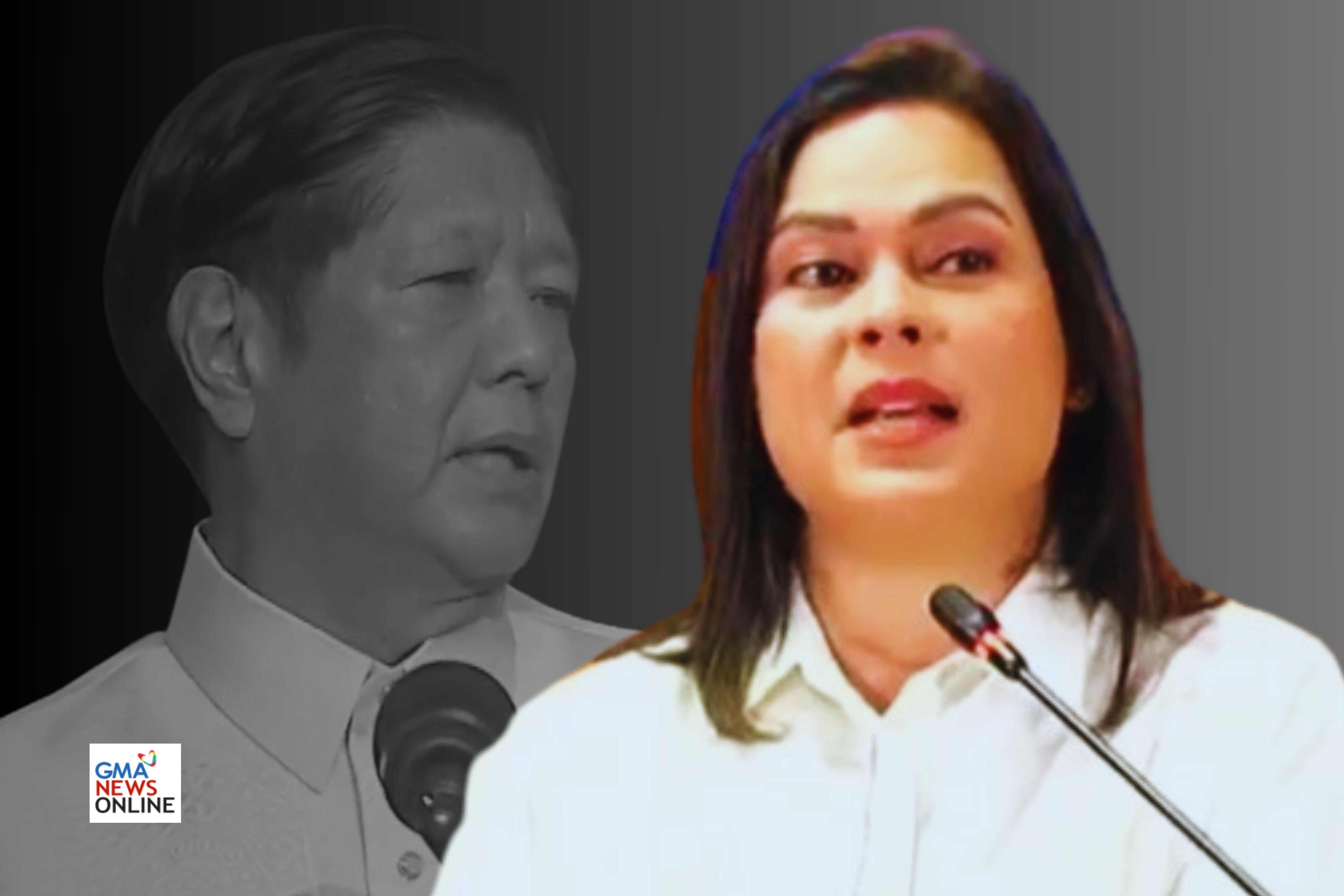
The role of Vice President Sara Duterte has also drawn attention, particularly in ensuring continuity and stability within government institutions. Her emphasis on constitutional responsibilities and readiness to step in if needed reflects the legal framework governing succession in the Philippines. By highlighting the importance of transparency and accountability, Duterte aims to reinforce public confidence in government operations.
Across these developments, the importance of clear communication and adherence to legal norms is evident. The circulation of videos, rumors, and reports demonstrates how information can shape public perception and influence political discourse. Accurate reporting, verification of facts, and respect for due process remain critical to maintaining trust between government officials and the public.
The situation involving Harry Roque additionally highlights the relevance of international human rights protections. Roque’s invocation of his right to seek asylum illustrates the interplay between domestic legal proceedings and international norms. It underscores the need for governments to balance enforcement of local laws with respect for internationally recognized rights, particularly for individuals facing political or legal pressures.
Public interest in these developments also reflects the broader concerns of Filipino citizens regarding governance, ethical leadership, and the protection of civil liberties. Monitoring the actions of senior officials, including the President, Vice President, and former government representatives, is essential for promoting transparency and accountability. As citizens continue to engage in discussions and debates on these issues, the principles of rule of law, human rights, and democratic governance remain central to public discourse.
In conclusion, the recent developments involving President Marcos, Vice President Duterte, and former spokesperson Harry Roque highlight the complexities of political leadership, legal accountability, and public trust in the Philippines. These events underscore the need for clear communication, adherence to legal procedures, and respect for human rights. Public scrutiny of government actions, combined with transparent legal processes, contributes to a more informed citizenry and reinforces democratic institutions. As the situation continues to evolve, observers and stakeholders remain attentive to developments, emphasizing the importance of accountability, rule of law, and ethical governance in maintaining public confidence and institutional integrity.