Senate Sparks Heated Debate as Allegations of Government-Linked Troll Farms and Disinformation Put the Presidential Communications Office Under Fire
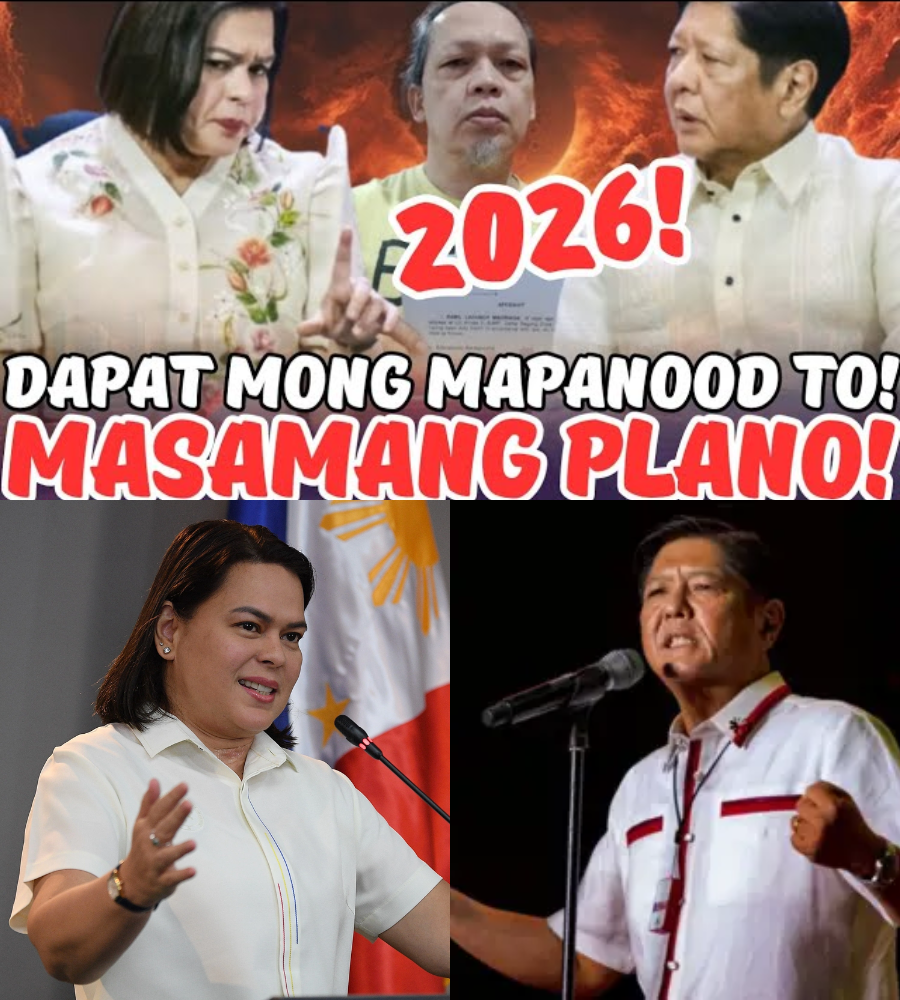
In a tense and closely watched Senate hearing this week, lawmakers sharply questioned the integrity, funding priorities, and operational practices of the Presidential Communications Office (PCO) as allegations resurfaced regarding the proliferation of government-linked troll farms and politically motivated online disinformation. The discussion—intended to be a sober policy review—was amplified and distorted by a viral reaction video circulating online, which interwove harsh personal commentary, unverified claims, and inflammatory narration while showing selected clips from the hearing. This dual-layer controversy has intensified national debate over the government’s role in public communication and the future of digital accountability in the Philippines.
A Senate Hearing Overshadowed by Viral Outrage
While the original Senate discussion focused on scrutinizing the PCO’s budget and responsibilities, the online reaction content that spread rapidly across social media recast the hearing in a confrontational and accusatory tone. The viral video featured a mix of aggressive editorials, sarcastic critiques, and disparaging remarks directed at government officials, overshadowing the actual substance of the proceedings.
Senators expressed concern that such commentary—delivered with dramatic flair for entertainment value—was distorting the gravity of the issues at hand. Several officials warned that political discourse risks devolving into spectacle when clips are taken out of context and merged with opinion-heavy reactions.
Nevertheless, beneath the noise and social media uproar, the Senate remained focused on a pressing question: Are taxpayers unwittingly funding digital propaganda through state-linked troll networks?
Senators Demand Answers on Alleged Troll Farm Operations
One of the central points of contention in the hearing was the long-standing allegation that certain government agencies, or people affiliated with them, have provided financial or operational support to troll farms—clusters of coordinated online accounts designed to disseminate propaganda, attack political opponents, or manipulate public opinion.
Senators pressed the PCO on whether it had direct or indirect involvement in such operations. While the PCO denied funding any form of covert online network, lawmakers insisted that circumstantial evidence, sudden spikes in coordinated messaging, and leaked private communications pointed to the possibility of political operators working behind the scenes.
The allegations gained momentum after the emergence of an anonymously leaked voice recording circulating online, which supposedly captured a conversation involving a government official and several social media personalities allegedly discussing online strategies. The authenticity of the recording has not been verified, but its release has stoked public speculation and fueled demands for formal investigation.
Call for NBI Authentication of the Disputed Audio Clip
To address public concern and prevent misinformation from overshadowing official inquiries, senators urged the National Bureau of Investigation (NBI) to authenticate the controversial audio file. According to lawmakers, only a forensic analysis by an independent body can definitively confirm whether the recording is genuine or fabricated.
Senators stressed that the stakes are high:
If real, the recording could expose unlawful coordination between public officials and online influence networks.
If fake, it could represent a dangerous new tactic in political sabotage through digital forgery.
Either outcome underscores what several senators described as “the volatile and unpredictable nature of digital information in the modern political landscape.”
PCO Defends Its Mandate Amid Mounting Criticism
Throughout the hearing, the PCO attempted to clarify its scope of work, emphasizing that its mandate is centered on accurate public information dissemination, transparency, and coordination across government agencies. It reiterated that it neither sponsors troll accounts nor tolerates online attacks carried out in the name of governance.
“This office exists to maintain clarity, not chaos,” a PCO representative insisted during questioning, noting that the agency itself is often the target of disinformation campaigns.
PCO officials said it is increasingly difficult to navigate a digital ecosystem where legitimate announcements, satirical content, politically motivated distortion, and fabricated media circulate side by side. They called for stronger multi-agency cooperation to ensure that validated information reaches the public without being drowned out by propaganda or misleading viral content.
Lawmakers Warn of the Dangers of a Disinformation-Rich Environment
Senators across party lines echoed concerns about the rapid spread of misleading or weaponized content, noting that the circulation of unauthenticated recordings, emotionally driven reaction videos, and unverified accusations contributes to confusion, polarization, and the erosion of public trust.
Several lawmakers emphasized that digital propaganda networks—if left unchecked—could directly influence national policies, election outcomes, and public perception of government institutions.
“We cannot build democratic debate on a foundation of manufactured noise,” one senator said, calling the current situation “a digital Wild West demanding stronger laws and responsible regulation.”
Senate Expresses Strong Support for the Proposed Anti-Troll Farm Act

Towards the end of the hearing, senators expressed near-unanimous support for Senate Bill 1490, the proposed Anti-Troll Farm Act, which seeks to criminalize the creation, maintenance, funding, or operation of coordinated online networks spreading fake news, harassment, and political manipulation.
Key provisions of SB 1490 include:
Penalizing individuals or entities who operate paid troll networks
Requiring full transparency for government-funded communication initiatives
Mandating stricter auditing of public communication budgets
Empowering investigative agencies to track digital influence operations
Imposing accountability on social media platforms for malicious coordinated behavior
Lawmakers described the bill as a “necessary shield” against the growing weaponization of online spaces.
A Call for Transparency and an Informed Public
Despite the sensationalism generated by the viral reaction video, senators reiterated that the true purpose of the hearing was not entertainment but accountability. They urged the public to rely on verified information, not editorialized online reactions, when assessing government actions.
The PCO, for its part, committed to cooperating with legislative reforms and vowed to strengthen its internal mechanisms to ensure that state-funded communications remain free from political manipulation.
Ultimately, the Senate concluded that safeguarding public discourse from troll farms and fabricated narratives is now a matter of national urgency.