Tragedy strikes — the mysterious death of Gina Lima resurfaces with chilling new clues, silent witnesses, and conflicting accounts that raise even darker questions. Was it really an accident, a hidden struggle, or something no one dares to reveal? 🤯 What follows will shock you.
💔 SCANDAL! GLAMOUR GONE GRAVE: THE DOUBLE DEATH THAT SHATTERED MANILA’S STARLET DREAM! 💔

A thousand gasping breaths, a whirlwind of furious accusation, and then—silence. The glamorous, high-stakes life of a rising starlet has been brutally extinguished, dragging her former lover into a vortex of digital mob justice and, ultimately, death. This is the tragic, terrifying, and still unsolved mystery of Gina Lima and the man who loved her—and was crucified for it—Ivan Ronquillo.
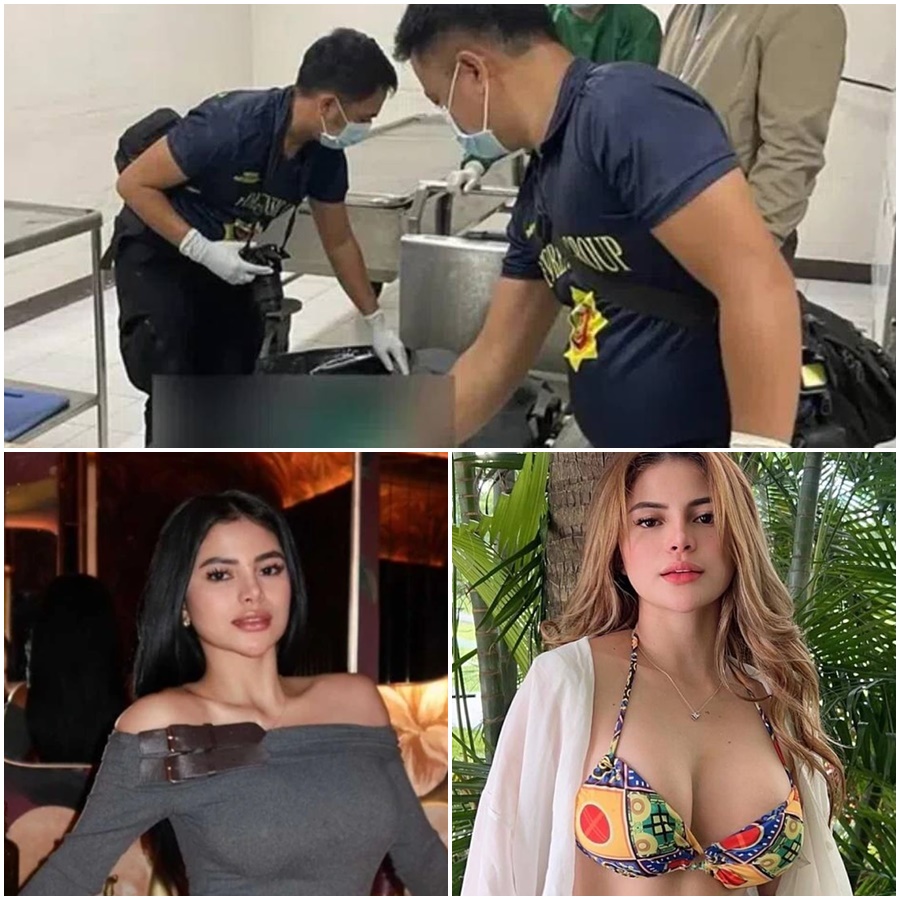
The headlines were a siren song, a shocking blend of fame, beauty, and sudden, inexplicable fatality. Gina Lima, the 23-year-old Agusan del Sur native whose curve-hugging photos and defiant dance videos amassed hundreds of thousands of followers, was declared DEAD ON ARRIVAL at a Quezon City hospital on the night of November 16. Her ‘face card’ was palaban—combative, captivating—and her sex appeal undeniable. Just days before, she was seen vivaciously twirling in a swimsuit on her feed, embodying the dazzling promise of Manila’s unforgiving entertainment world. Her abrupt exit from life was unthinkable, unacceptable, a gut-punch to her devoted digital congregation.
But the immediate shock soon curdled into savage fury. The one who brought her to the hospital, the distraught figure seen rushing her unconscious body—her ex-boyfriend, the handsome, towering model, Ivan Ronquillo—was instantly designated the villain.
He was there. He was the last one with her. He was the one who delivered the body.
The initial reports whispered of unexplained bruises on Gina’s body, and the online jury didn’t need a medical examiner. The verdict was swift, brutal, and broadcast across every social media platform: MURDER! BATTERER! JUSTICE FOR GINA!

Ivan’s family vehemently denied the allegations. “If you truly know him,” one relative pleaded, “you would know he is incapable of harming a woman.” Ivan himself, a man who once aspired to be a pilot but found his path in modeling—a path that led him straight to Gina’s heart—found his world crumbling under a relentless barrage of online hate.
Theirs was a relationship forged in the bright lights of Manila, a “home away from home” for two ambitious young people from the provinces. Ivan, the “very intelligent student” turned model, and Gina, the determined breadwinner who came to the capital at 14 to save her family from poverty. They were a power couple, their breakup a recent surprise. Yet, in a twist of heartbreaking irony, they had recently tried to reconcile, spending the night drinking together at his condo.
CCTV footage captured a seemingly benign, even domestic moment in the final hours: Gina gently scolding Ivan for not greeting his father. It was the calm before the storm. A witness described the horrifying scene that followed: no commotion, no fight, but Gina suddenly in a state of crisis. “She was grasping for air,” the witness recounted, describing her body as stiff, her hands distorted. A desperate race to the hospital ensued, ending in the fateful pronouncement of D.O.A.
The police investigation, however, presented a stark, clinical counter-narrative to the mob’s rage. Initial findings ruled out physical assault as the cause of death. Gina’s passing was attributed to heart congestion and congested and edematous lungs—a sudden, crushing failure from within. The non-fatal bruises the public fixated on were not the killer. The autopsy cleared Ivan.
But in the age of instant outrage, a retraction can never catch a lie. The damage was done. The accusations, the death threats, the savage, soul-crushing judgment had already taken root.
The shocking final chapter unfolded just three days after Gina’s death, before the toxicology results that might have finally silenced the rumors could even be released. Ivan Ronquillo, the 24-year-old model hounded by an invisible army of accusers, was found lifeless in the stairway of his own home, an apparent suicide.
A relative, cradling his body, confessed his agonizing regret: “Why did I only do this now? I should have done this when he was alive.”
Two young lives, bound by love and ambition, were violently extinguished just days apart, leaving behind two shattered families. But the profound truth—the real killer in this case—is not a person, but a force far more insidious: Misinformation.
The police are now investigating the torrent of online harassment directed at Ivan. As one friend lamented, “We are looking at the possibility that one of the causes of my nephew’s death… was due to the overwhelming number of people who judged him on social media.”
The toxic cycle of assumption, slander, and unforgiving digital vigilantism has claimed two souls. While we await the final toxicology reports that might reveal the true, physiological cause of Gina’s death—a heart attacked by something unforeseen, perhaps a combination of substances found in the room—the emotional cost is already paid.
This is a chilling reminder of the bloodless war we wage online, where unconfirmed whispers become unassailable facts, and kindness is suffocated by the clamor for sensational tragedy.
We asked ourselves: What was the truth behind the lovers’ tragic end? The medical examiner points to heart failure; the police await lab results. But the social media verdict—the mob’s relentless judgment—points to a far more dangerous poison: the ease with which we destroy a life with a single, furious click.
Two graves. Two unanswered questions. But one terrifying certainty: The true weapon in this double tragedy was not a fist, but a flood of merciless, unverified words.